
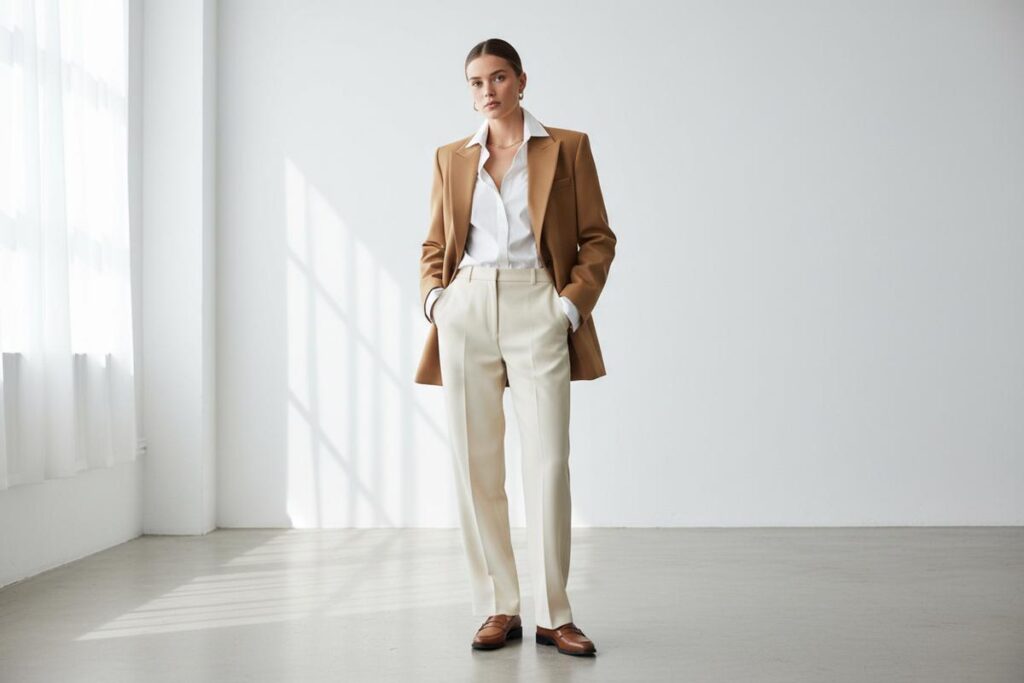
A Complete Styling Guide
Have you ever stood in front of your wardrobe, looking at several beautiful clothing pieces but still feeling confused about what colours to wear together? You might have a favourite shirt, a lovely pair of trousers and a beautiful handbag, but combining them into one stylish outfit can sometimes feel difficult.
Choosing the right colours is an important part of developing your personal fashion style. Colours can change the entire appearance of an outfit, make simple clothing look more interesting and help you express your personality without saying a word.
You don’t always need expensive clothes, designer accessories or a completely new wardrobe to look fashionable. Sometimes, understanding how different colours work together is enough to transform the clothes you already own.
Whether you prefer simple neutral outfits, soft pastel shades, bold colours or elegant traditional clothing, learning a few basic colour styling techniques can make getting dressed much easier.
In this guide, we’ll explore colour combinations, the colour wheel, wardrobe palettes, outfit styling rules and practical ways to create beautiful combinations for different occasions.
1. Understand the Basics of the Colour Wheel
Before experimenting with different outfit combinations, it’s helpful to understand the colour wheel.
A colour wheel is a circular arrangement of colours that shows how different shades relate to one another. It is commonly used in fashion, painting, graphic design and interior decoration.
Understanding the colour wheel can help you identify which colours complement each other and which combinations create an interesting contrast.
Explore our guide to everyday style and outfit inspiration for more ideas on creating stylish looks.
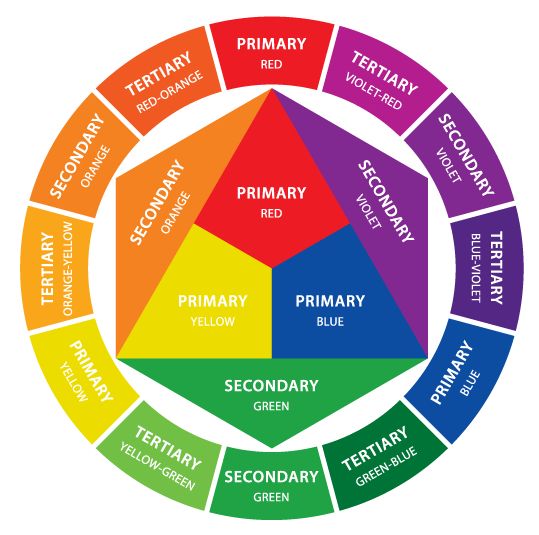
There are three basic categories of colours:
- Primary colours: Red, blue and yellow. These are the traditional primary colours used in the basic art colour wheel.
- Secondary colours: Green, orange and purple. These are created by combining primary colours.
- Tertiary colours: These are created by mixing a primary colour with a neighbouring secondary colour.
Three popular ways to combine colours
Complementary colours
Complementary colours are positioned opposite each other on the colour wheel. Examples include blue and orange, red and green, and purple and yellow.
These combinations create contrast and can make an outfit look bold and eye-catching.
For example, you can wear a blue outfit with orange accessories if you want to introduce a little contrast without making the entire outfit colourful.
Analogous colours
Analogous colours sit next to one another on the colour wheel. Examples include blue, blue-green and green.
These shades create a coordinated and harmonious appearance. They are a great choice if you prefer outfits that look balanced rather than extremely bold.
Monochromatic colours
Monochromatic styling involves wearing different shades, tints and tones of the same colour.
For example, combining light beige, camel and dark brown creates a beautiful monochromatic-inspired outfit.
This approach is particularly useful when you want to create a sophisticated appearance without experimenting with too many different colours.
Want to explore more colour combinations? Visit this helpful guide to understanding colour theory by Canva.
2. Start with Neutral Colours
If you are new to experimenting with colour combinations, neutral shades are the perfect place to begin.
Neutral colours are versatile and can easily be paired with many other shades. They also make it easier to create outfits that look coordinated without requiring too much planning.
Having the right essential wardrobe pieces makes it easier to experiment with different colour combinations.
Some of the most popular neutral colours include:
- White
- Black
- Beige
- Cream
- Grey
- Brown
- Navy blue
For example, a white shirt with beige trousers creates a clean and elegant outfit. Similarly, black jeans paired with a grey sweater make a simple combination suitable for everyday wear.
Neutral colours are also useful when building a wardrobe because they can be worn repeatedly with different clothing pieces.
Popular neutral combinations
| Colour combination | Overall appearance | Outfit idea |
|---|---|---|
| White + Beige | Soft and elegant | White shirt with beige trousers |
| Black + Grey | Modern and polished | Black top with grey jeans |
| Cream + Brown | Warm and sophisticated | Cream sweater with brown skirt |
| Navy + White | Classic and fresh | Navy trousers with white blouse |
| Beige + Black | Balanced and timeless | Beige blazer with black trousers |
StylePixel Tip: If you are unsure which colours to combine, begin with two neutral shades. Once you feel comfortable, introduce a third colour through your shoes, handbag or accessories.
3. Experiment with Beautiful Colour Combinations
One of the easiest ways to improve your styling skills is to experiment with different colour combinations.
You don’t need to follow complicated fashion rules. Start with combinations that look balanced and suit your personal preferences.
Here are some combinations worth trying.
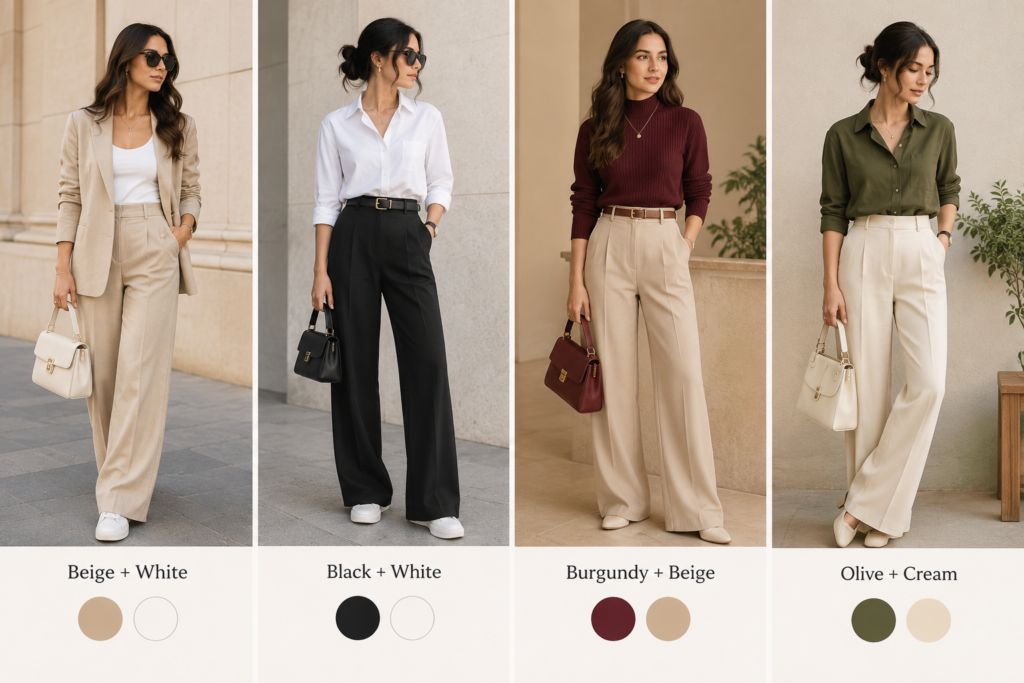
Beige and White
Beige and white create a soft, minimal and elegant appearance. This combination works beautifully for casual outings, office wear and everyday styling.
You can pair white trousers with a beige top or wear a beige blazer over a simple white outfit.
It is also an excellent combination for people who prefer a neutral and timeless wardrobe.
Black and White
Black and white is one of the most classic combinations in fashion. It creates a polished appearance and works for almost every season.
Try pairing a white shirt with black trousers, a black top with a white skirt or a black blazer over a white dress.
You can also experiment with black-and-white patterns if you want something slightly different.
Brown and Cream
Brown and cream are beautiful earthy shades that create a warm and sophisticated appearance.
A cream sweater paired with brown trousers or a brown skirt with a cream blouse can make an outfit look effortlessly elegant.
You can complete this combination with tan footwear, a brown handbag or simple gold-toned accessories.
Pink and Grey
Pink and grey create a soft and balanced combination. While pink introduces a gentle touch of colour, grey keeps the outfit looking understated.
Try a dusty pink shirt with grey trousers or a grey skirt with a light pink top.
This combination is particularly suitable for daytime outings and casual gatherings.
Blue and White
Blue and white create a fresh and relaxed appearance. It is a particularly easy combination for everyday styling.
You can pair denim jeans with a white shirt, wear a white top with blue trousers or experiment with a blue dress and white accessories.
Burgundy and Beige
Burgundy is a rich and elegant shade that pairs beautifully with beige.
Try a burgundy sweater with beige trousers or a beige coat over a burgundy dress.
This combination is especially attractive for autumn and winter outfits, although it can be worn throughout the year.
Olive Green and Cream
Olive green is an earthy shade that looks beautiful with cream and other neutral colours.
An olive green shirt with cream trousers creates a relaxed yet stylish appearance. You can also introduce olive green through a jacket, handbag or trousers.
4. Use the 60-30-10 Colour Rule
Have you ever noticed how some outfits look perfectly balanced even when they contain three different colours?
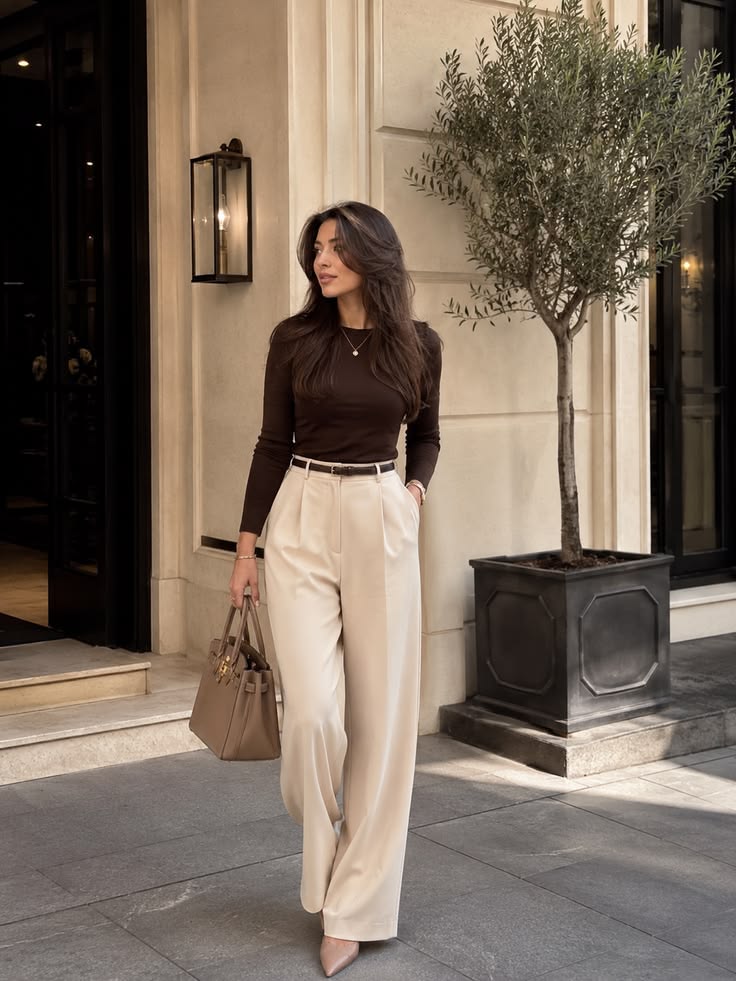
A useful styling guideline is the 60-30-10 colour rule. It helps you distribute colours throughout an outfit so that one shade doesn’t overpower everything else.
The rule divides your outfit into three proportions.
| Percentage | Purpose | Example |
|---|---|---|
| 60% | Main colour | Beige trousers or dress |
| 30% | Secondary colour | White shirt or blazer |
| 10% | Accent colour | Burgundy handbag or shoes |
How to apply this rule
Imagine you are planning an outfit for a casual lunch.
Start with beige trousers as your main colour. Add a white blouse or top as your secondary colour. Finally, introduce burgundy through your handbag or footwear.
The result is an outfit that combines three colours while maintaining a balanced appearance.
You can also use this rule when choosing accessories. For example, a mostly black outfit can become more interesting with a grey jacket and a small red handbag.
Remember that this is a flexible styling guideline rather than a strict fashion rule. You don’t need to measure the exact percentage of every colour. The purpose is simply to create visual balance.
5. Understand Warm and Cool Colours
Another useful way to improve your colour styling is to understand warm and cool colours.
Colours are often described according to the temperature they appear to suggest.
Warm colours
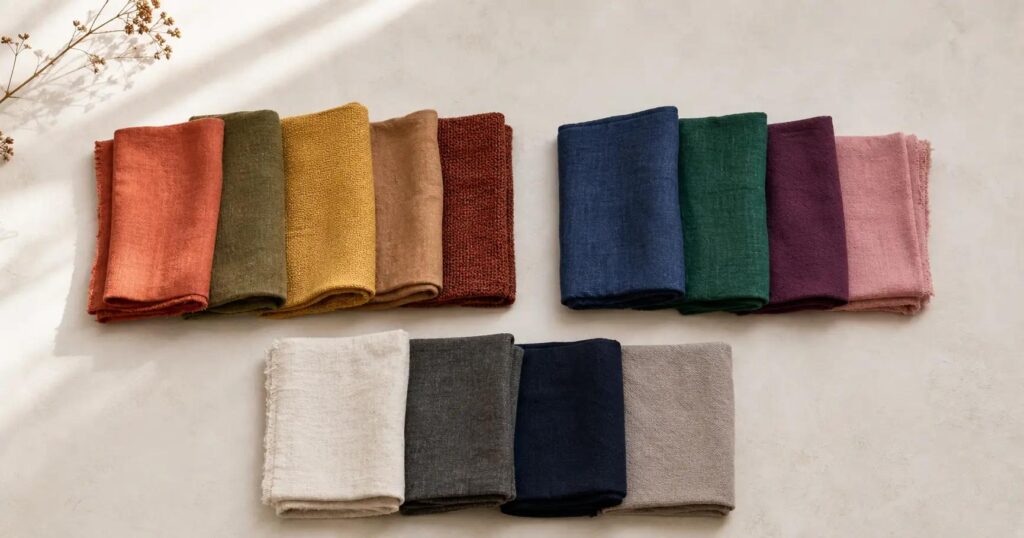
Warm colours include red, orange, yellow, rust and many shades of warm brown.
They often create a rich, vibrant and energetic appearance.
Examples include:
- Mustard yellow
- Terracotta
- Rust orange
- Warm red
- Caramel brown
Cool colours
Cool colours include blue, green, purple and certain shades of pink.
They can create a calm, fresh and balanced appearance.
Examples include:
- Navy blue
- Lavender
- Mint green
- Cool pink
- Emerald green
Warm v/s cool colour combinations
| Warm colours | Cool colours |
|---|---|
| Rust + Cream | Lavender + Grey |
| Mustard + Brown | Navy + White |
| Terracotta + Beige | Mint + Soft Pink |
| Burgundy + Camel | Blue + Silver Grey |
You can also combine warm and cool shades. For example, a warm brown jacket with a cool blue top can create an interesting contrast.
The important thing is to experiment and discover which combinations you enjoy wearing.
6. Choose Colours According to the Occasion
The colours you choose can help create the right appearance for different occasions.
An outfit for a casual coffee date may look completely different from something you would wear to an office meeting or a wedding.
Here are some ideas to help you choose.
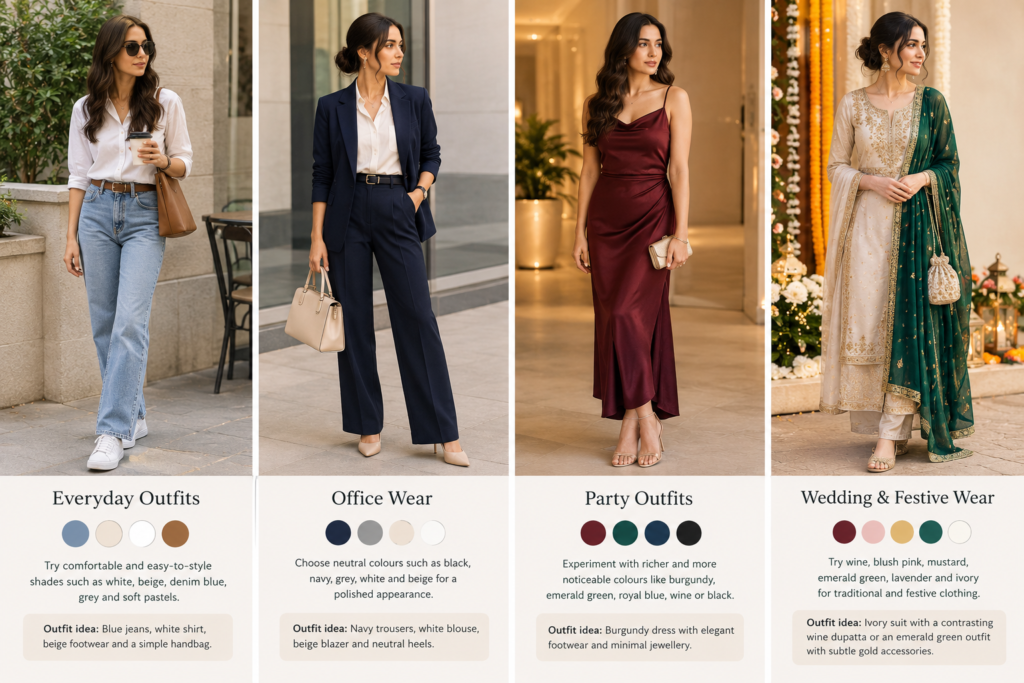
Everyday outfits
For everyday wear, choose comfortable and easy-to-style shades such as white, beige, denim blue, grey and soft pastels.
These colours are versatile and can be combined with several wardrobe essentials.
Outfit idea: Blue jeans, a white shirt, beige footwear and a simple handbag.
Office wear
For office outfits, neutral colours such as black, navy, grey, white and beige can create a polished appearance.
You can also introduce subtle shades of burgundy, olive green or dusty pink.
Outfit idea: Navy trousers, a white blouse, a beige blazer and neutral heels.
Party outfits
Parties are a great opportunity to experiment with richer and more noticeable colours.
Try emerald green, burgundy, royal blue, wine or classic black.
If you prefer something understated, you can wear a neutral outfit and introduce a bold colour through accessories.
Outfit idea: A burgundy dress with elegant footwear and minimal jewellery.
Wedding and festive outfits
Indian fashion offers plenty of opportunities to experiment with colour.
Shades such as wine, blush pink, emerald green, mustard, lavender and ivory are beautiful options for traditional and festive clothing.
You can also experiment with contrasting dupattas, embroidered details and colourful accessories.
Outfit idea: An ivory suit with a contrasting wine dupatta or an emerald green outfit with subtle gold accessories.
7. Create Your Own Personal Colour Palette
Following fashion trends can be fun, but developing your own colour palette can make your wardrobe much easier to manage.
A personal colour palette is simply a collection of shades that you enjoy wearing and can easily combine with one another.
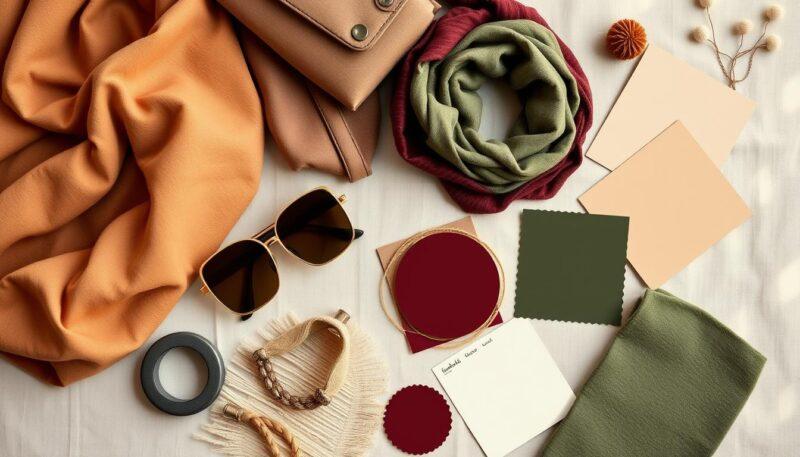
You don’t need to choose colours based on trends alone. Think about the clothing pieces you already own and the shades you naturally feel comfortable wearing.
Learn how to create more outfits from the clothes you own while keeping your wardrobe versatile.
Example of an elegant wardrobe palette
| Category | Suggested colours |
|---|---|
| Everyday neutrals | White, beige, cream |
| Dark neutrals | Black, charcoal, navy |
| Favourite colours | Dusty pink, olive green |
| Accent colours | Burgundy, rust |
You can create your own palette by following these steps:
Step 1: Look through your wardrobe.
Identify the colours you wear most frequently. These are often the shades you naturally enjoy.
Step 2: Choose your neutral shades.
Select three or four neutrals that can be paired with most of your clothing.
Step 3: Select your favourite colours.
Choose two or three shades that reflect your personality and make your outfits more interesting.
Step 4: Add accent colours.
Choose one or two stronger colours that you can introduce through accessories or statement pieces.
Step 5: Test your combinations.
Try combining your selected shades with different tops, bottoms, jackets and accessories.
This simple process can help you shop more thoughtfully and avoid buying clothes that don’t work with the rest of your wardrobe.
8. Add a Pop of Colour Through Accessories
You don’t always need colourful clothing to create an interesting outfit.
Sometimes, a small accessory can completely change the appearance of an otherwise simple combination.
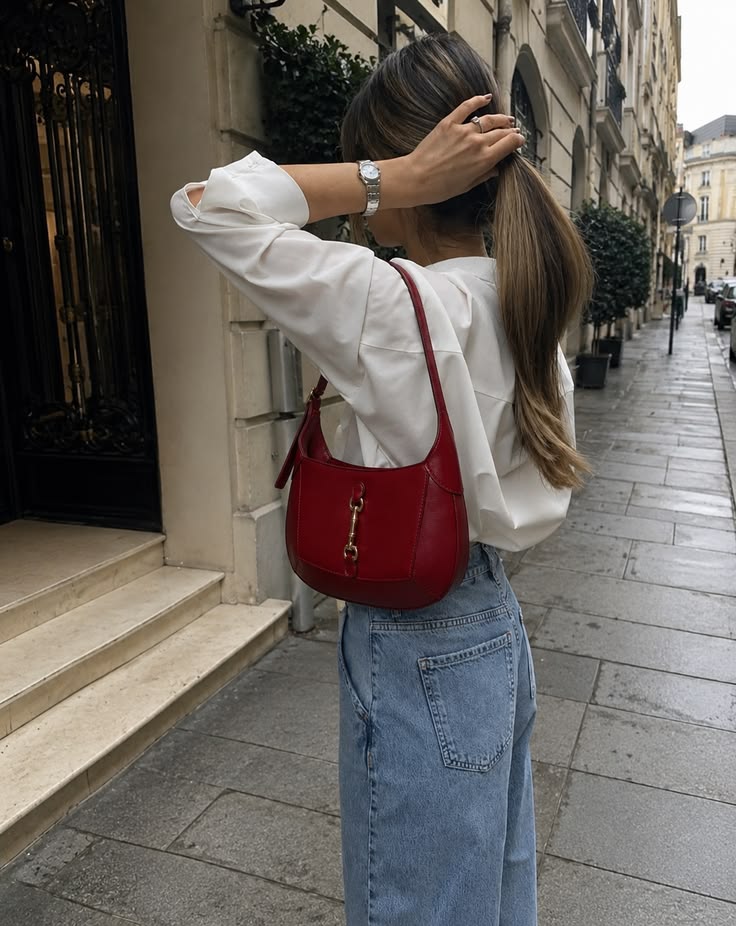
If most of your wardrobe contains black, white, beige and grey, start experimenting with colour through smaller details.
Here are some easy ideas:
- Add a red handbag to a black-and-white outfit.
- Wear colourful footwear with a neutral dress.
- Try a bright scarf with a simple white shirt.
- Add statement earrings to a basic outfit.
- Carry a colourful handbag with beige or cream clothing.
- Introduce a printed belt to a monochromatic outfit.
Accessories are also a practical way to experiment with colours without spending too much money on new clothes.
StylePixel Tip: Start with one statement accessory. If your outfit already contains several patterns or bright shades, choose simpler accessories to maintain balance.
9. Use Prints and Patterns Without Overdoing It
Colours are not the only thing that makes an outfit interesting. Prints and patterns can also add personality to your clothing.
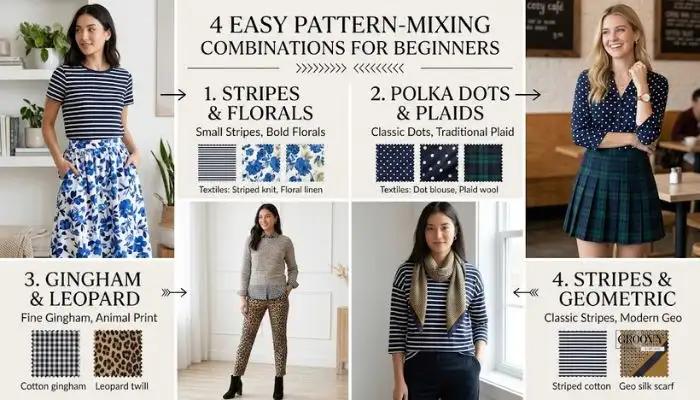
However, combining multiple prints and colours can sometimes feel challenging.
The easiest approach is to let one printed clothing piece become the main focus of your outfit.
For example, if you are wearing a floral skirt, choose a top in one of the colours already present in the print.
Similarly, if your shirt has a bold geometric pattern, pair it with simple trousers in a neutral shade.
Easy ways to style prints
| Pattern | Styling suggestion |
|---|---|
| Floral | Pair with a simple solid-colour top |
| Stripes | Combine with plain trousers or jeans |
| Polka dots | Add neutral accessories |
| Checks | Pair with denim or solid colours |
| Animal print | Use as a statement piece |
You can also experiment with mixing prints, but try to maintain at least one shared colour or a similar visual tone to keep the outfit coordinated.
10. Common Colour Styling Mistakes to Avoid
Even a beautiful outfit can look unbalanced when colours are not combined thoughtfully.
Here are some common mistakes and how you can avoid them.
Using too many bold colours
Wearing several bright shades together can sometimes make an outfit look visually overwhelming.
Instead, choose one statement colour and balance it with neutral shades.
Ignoring the overall balance
If your outfit contains several patterns, prints or bold colours, keep the remaining pieces relatively simple.
Following every fashion trend
Not every trending colour combination needs to become part of your wardrobe.
Choose colours that you genuinely enjoy wearing instead of buying something simply because it is popular.
Forgetting about accessories
Shoes, handbags, belts and jewellery contribute to your complete outfit. Choose accessories that complement your clothing.
Being afraid to experiment
Sometimes, people continue wearing the same colour combinations because they are afraid of trying something different.
Start with small changes. Introduce one new colour into an outfit and see how it looks.
Quick Do’s and Don’ts
| Do | Don’t |
|---|---|
| Experiment with neutral shades | Limit yourself to one colour |
| Balance bold colours | Combine too many competing shades |
| Use accessories creatively | Ignore footwear and handbags |
| Try different shades of one colour | Follow every trend blindly |
| Wear colours you enjoy | Be afraid of experimenting |
11. A Simple Step-by-Step Guide to Creating an Outfit
Now that you understand different colour combinations, let’s put everything together.
Imagine you need to create an outfit for a casual outing.
Follow these simple steps:
Step 1: Choose your main clothing piece.
Start with something you already own, such as beige trousers, blue jeans or a black skirt.
Step 2: Select a complementary top.
If you choose beige trousers, try pairing them with a white, cream or dusty pink top.
Step 3: Add a third colour if needed.
Introduce another shade through a jacket, handbag or footwear.
Step 4: Select your accessories.
Choose accessories that complement the outfit instead of competing with its colours.
Step 5: Check the overall combination.
Look at the outfit as a whole. If everything feels balanced and comfortable, you are ready to go.
You don’t need to spend hours planning an outfit. With practice, choosing colours will become a natural part of your daily styling routine.
12. Build Your Own Outfit Colour Combination
Try this simple exercise the next time you plan an outfit.
Choose one main colour, one secondary colour and one accent colour.
For example:
| Outfit element | Colour |
|---|---|
| Main clothing piece | Beige |
| Top or layering | White |
| Handbag or accessories | Burgundy |
You can also experiment with these combinations:
- Olive + Cream + Brown
- Navy + White + Tan
- Grey + Pink + White
- Black + Beige + Gold
- Blue + White + Burgundy
The idea is to discover combinations that reflect your personal style.
13. Your Outfit Styling Checklist
Before finalising your outfit, use this checklist to see whether everything works together.
- Do the colours complement one another?
- Is there a good balance between neutral and bold shades?
- Does the outfit suit the occasion?
- Do my shoes and handbag work with the overall combination?
- Am I comfortable wearing these colours?
- Does the outfit reflect my personal style?
- Have I avoided unnecessary colour combinations?
You don’t need to follow every point perfectly. Think of this checklist as a helpful guide rather than a strict set of rules.
Final Thoughts
Choosing the right colours for your outfits doesn’t have to be complicated. With a little understanding of colour combinations, neutral shades, warm and cool tones and styling techniques, you can make even the simplest clothing pieces look more interesting.
Start by experimenting with colours you already own. Try pairing neutral shades, introduce a little contrast and gradually discover combinations that make you feel confident.
Remember, fashion is not about following every trend or wearing expensive clothes. It’s about expressing your personality, feeling comfortable and creating a style that feels like you.
Your wardrobe should make getting dressed easier, not more confusing. So, don’t be afraid to experiment, mix different shades and try something new.
Wear what you love, experiment with colours and let your personal style shine!
Frequently Asked Questions (FAQs)
1. What are the best colour combinations for everyday outfits?
Some easy combinations include beige and white, black and white, blue and white, brown and cream, and grey and pink. These shades are versatile and work well for different everyday occasions.
2. How many colours should I wear in one outfit?
Two or three colours are a good starting point. You can introduce additional shades through accessories if you want to experiment with a more colourful appearance.
3. Which colours are easiest to mix and match?
Neutral shades such as black, white, beige, cream, grey, brown and navy are among the easiest colours to combine with other clothing pieces.
4. Can I wear different shades of the same colour together?
Absolutely! Wearing different shades of the same colour is known as monochromatic styling. For example, pairing light beige, camel and dark brown creates a coordinated and elegant outfit.
5. How can I make a simple outfit look more fashionable?
You can make a simple outfit more interesting by experimenting with accessories, layering, different shades and colour combinations. Even a statement handbag or pair of shoes can change the overall appearance.
6. Are bright colours suitable for everyday outfits?
Yes! Bright colours can be worn every day. If you prefer a balanced appearance, combine one bright shade with neutral clothing pieces.
7. How do I create a personal wardrobe colour palette?
Start by identifying the colours you already enjoy wearing. Choose a few neutral shades, add your favourite colours and select one or two accent shades. Try combining them with different clothing pieces to create a versatile wardrobe.