
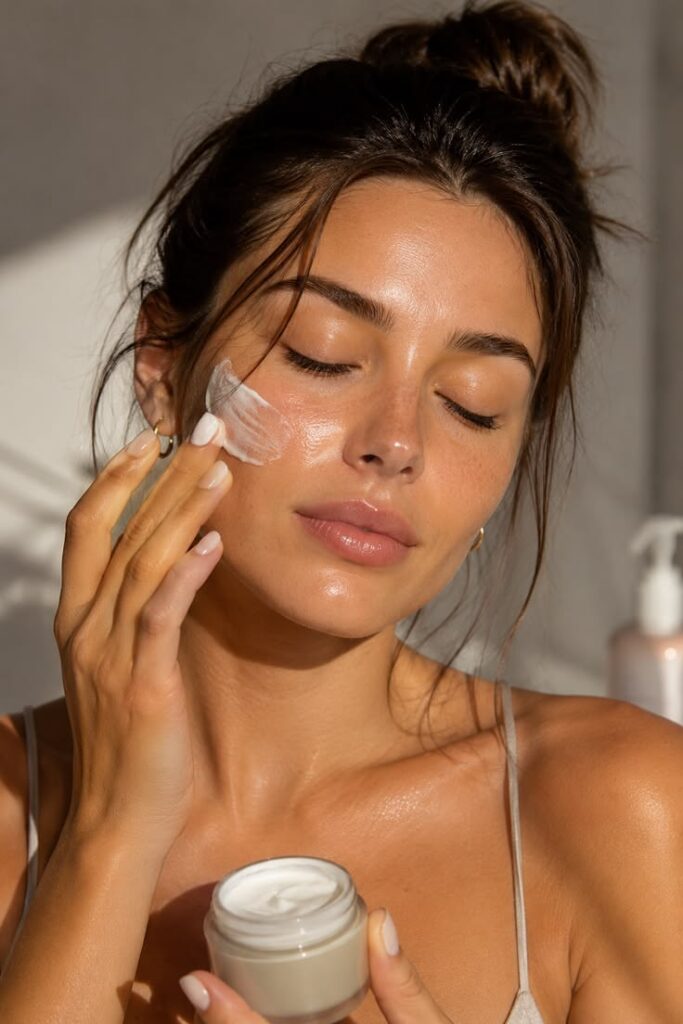
Step-by-Step Guide to Healthy, Glowing Skin
A Simple Skincare Routine for Beginners is the perfect way to start taking care of your skin without using too many products or following complicated steps. Whether you are new to skincare or looking to simplify your daily routine, understanding the basics can help you maintain healthy, hydrated, and glowing-looking skin.
With so many skincare products, ingredients, and trends available online, it can be difficult to know what your skin actually needs. The good news is that beginners can start with just a few essential products and gradually introduce additional steps when necessary.
In this guide, we will explore how to identify your skin type, build a simple morning and nighttime routine, choose suitable skincare products, and avoid common mistakes. The goal is to create a routine that fits your lifestyle without making skincare feel overwhelming.
1. Why a Simple Skincare Routine Matters
Your skin is constantly exposed to environmental factors such as sunlight, pollution, changing weather, and everyday dirt. A consistent skincare routine helps maintain cleanliness, hydration, and protection.
The purpose of skincare is not to achieve perfectly flawless skin. Instead, it is about supporting your skin’s natural functions and keeping it comfortable and cared for. A Simple Skincare Routine for Beginners makes it easier to understand what your skin needs without making daily skincare complicated.
“Explore our ultimate guide to everyday style, fashion, beauty, and self-care for more everyday beauty inspiration.
A simple routine can help you:
- Remove dirt, excess oil, and makeup.
- Maintain skin hydration.
- Support the skin’s natural protective barrier.
- Protect your skin from harmful UV exposure.
- Develop healthy and consistent self-care habits.
One of the biggest skincare misconceptions is that using more products automatically produces better results. In reality, introducing too many products at once may irritate your skin and make it difficult to identify what works.
Start with the essentials: a gentle cleanser, moisturizer, and sunscreen. Once your skin becomes comfortable with these products, you can consider adding other skincare steps based on your individual needs.
2. Know Your Skin Type Before Choosing Products
Before purchasing skincare products, it is important to understand your skin type. Different skin types may respond differently to ingredients and product textures.
Your skin may also change depending on weather, hormonal changes, age, and environmental conditions.
Common Skin Types
| Skin Type | Common Characteristics | Product Considerations |
|---|---|---|
| Normal | Generally balanced, with little dryness or excess oil | Gentle cleanser and lightweight moisturizer |
| Dry | Feels tight, rough, or flaky | Cream-based moisturizer and gentle cleanser |
| Oily | Appears shiny and may have excess oil | Lightweight, non-comedogenic products |
| Combination | Oily in some areas and dry in others | Balanced products and targeted hydration |
| Sensitive | Easily irritated or uncomfortable | Fragrance-free, gentle products |
How to Identify Your Skin Type
A simple way to observe your skin is to wash your face using a gentle cleanser and leave it without skincare products for a short period.
Notice how your skin feels:
- If it feels tight or uncomfortable, it may be dry.
- If it becomes shiny across most of your face, it may be oily.
- If only your forehead, nose, and chin become oily, you may have combination skin.
- If it feels comfortable without noticeable oiliness or dryness, it may be normal.
This is only a basic observation, not a medical diagnosis. If your skin is persistently irritated or uncomfortable, consult a dermatologist.
Remember: Your skin type should guide your product choices, but your individual skin concerns and sensitivities matter too.

3. Morning Skincare Routine: Step-by-Step
A morning skincare routine focuses on cleansing when needed, maintaining hydration, and protecting your skin throughout the day.
You do not need to spend a long time in front of the mirror. A few simple steps are enough for most beginners. A Simple Skincare Routine for Beginners should focus on cleansing, moisturizing, and protecting the skin with sunscreen.
Step 1: Cleanse Your Face
Start by washing your face with a gentle cleanser.
Cleansing helps remove excess oil, sweat, and residue that may have accumulated overnight. Choose a cleanser that suits your skin type and does not leave your skin feeling excessively dry or tight.
For dry or sensitive skin, a mild, fragrance-free cleanser may be a comfortable option. Oily skin may benefit from a gentle gel cleanser.
Avoid using harsh soaps or scrubbing your face aggressively. Cleanse with lukewarm water and gently pat your skin dry with a clean towel.
Some people with dry or sensitive skin may prefer rinsing with water in the morning instead of using cleanser. Choose what feels comfortable for your skin.
Step 2: Apply Moisturizer
Moisturizer is an important part of almost every skincare routine.
It helps reduce moisture loss and keeps the skin feeling soft and comfortable. Even oily skin can benefit from moisturizing.
Choose a product according to your skin’s needs:
- Dry skin: richer creams with moisturizing ingredients.
- Oily skin: lightweight lotions or gel moisturizers.
- Combination skin: balanced moisturizers that feel comfortable across different areas.
- Sensitive skin: simple, fragrance-free formulas.
Apply moisturizer gently without pulling or rubbing your skin too aggressively.
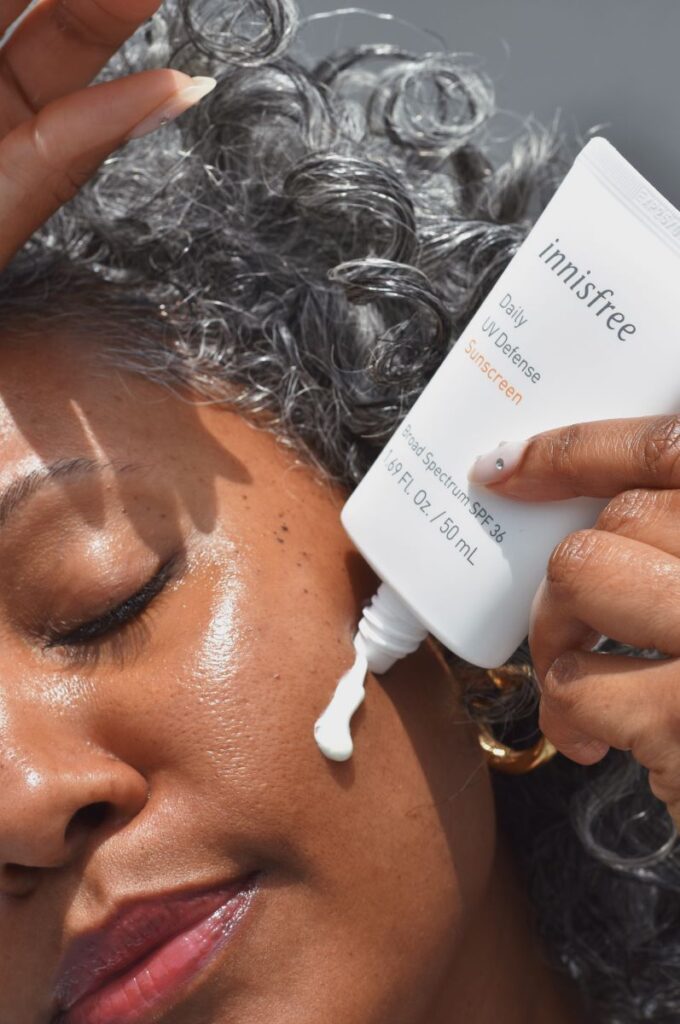
Step 3: Apply Sunscreen
Sunscreen is one of the most important steps in your morning skincare routine.
Sun exposure can contribute to premature skin aging, sunburn, and skin damage. Regular sunscreen use helps protect your skin from harmful ultraviolet radiation.
Choose a broad-spectrum sunscreen with SPF 30 or higher. Apply it generously to exposed skin, including your face, neck, and ears.
If you spend time outdoors, reapply sunscreen approximately every two hours and after swimming, sweating, or towel drying, following the product instructions.
Remember that sunscreen is important even on cloudy days. For extended outdoor activities, combine sunscreen with shade, protective clothing, and a hat.
4. Nighttime Skincare Routine
Your nighttime routine helps remove the day’s buildup and maintain hydration while you sleep.
It can be similar to your morning routine, but sunscreen and makeup removal make cleansing especially important.
Step 1: Remove Makeup and Sunscreen
If you wear makeup or water-resistant sunscreen, use a suitable makeup remover or cleansing oil before washing your face.
This helps dissolve makeup and sunscreen without excessive rubbing.
Micellar water, cleansing balm, or cleansing oil may be suitable options depending on your skin type and preferences.
Avoid sleeping with makeup on regularly, as it may contribute to clogged pores or irritation for some people.
Step 2: Cleanse Your Face
After removing makeup, wash your face with a gentle cleanser.
If you do not wear makeup or water-resistant sunscreen, one thorough cleanse may be sufficient.
Avoid over-cleansing or using very hot water. Your skin should feel clean and comfortable rather than stripped or tight.
Step 3: Apply Moisturizer
Finish your nighttime routine with moisturizer.
Nighttime is a convenient opportunity to maintain hydration and support your skin barrier.
You can use the same moisturizer in the morning and evening if it suits your skin.
If your skin feels particularly dry, you may prefer a richer moisturizer at night.
Optional Step: Add a Treatment Product
Once you have established a basic routine, you may consider adding a treatment product for a specific concern, such as uneven skin tone or acne.
However, treatment products are optional.
Introduce only one new product at a time and follow its instructions. Ingredients such as retinoids or exfoliating acids may cause irritation if used incorrectly.
If you have persistent acne, pigmentation, or another skin concern, consult a dermatologist before introducing strong treatments.

5. Essential Skincare Products for Beginners
When building your first skincare routine, focus on products that serve a clear purpose.
You do not need to purchase every product recommended by beauty influencers. Starting with a few essential products is the easiest way to build a Simple Skincare Routine for Beginners.
| Product | Purpose | Beginner Tip |
|---|---|---|
| Gentle cleanser | Removes dirt, oil, and buildup | Choose one that does not leave skin tight |
| Moisturizer | Helps maintain hydration | Select a texture suited to your skin |
| Sunscreen | Protects against UV exposure | Choose broad-spectrum SPF 30 or higher |
| Makeup remover | Removes makeup and sunscreen | Useful if you regularly wear makeup |
| Serum | Targets specific skincare concerns | Optional; introduce gradually |
| Exfoliant | Helps remove dead skin cells | Optional; avoid excessive use |
A cleanser, moisturizer, and sunscreen are enough to begin.
For additional dermatologist-recommended advice, read the American Academy of Dermatology’s skin care basics guide.
Once you understand your skin’s needs, you can decide whether additional products are necessary.
For example, someone concerned about uneven skin tone may explore a suitable treatment, while someone experiencing dryness may simply need a more comfortable moisturizer.
Skincare should be based on your needs rather than the number of products in your collection.
6. Common Skincare Mistakes Beginners Should Avoid
Starting skincare can be exciting, but certain mistakes may make your routine unnecessarily complicated.
Using Too Many Products at Once
Trying several new products simultaneously makes it difficult to identify which product is helping or causing irritation.
Introduce products gradually, preferably one at a time.
Skipping Sunscreen
Sunscreen should not be limited to beach days or summer vacations.
Daily sun protection is an important part of maintaining healthy skin and reducing UV-related damage.
Over-Exfoliating
Exfoliating too frequently or using harsh scrubs can irritate your skin and damage its protective barrier.
Beginners should avoid aggressive exfoliation and follow product instructions carefully.
Following Every Skincare Trend
A product that works well for someone else may not suit your skin.
Social media trends can provide inspiration, but they should not replace thoughtful product selection or professional advice.
Expecting Instant Results
Skincare usually requires consistency.
Some improvements, such as reduced dryness, may become noticeable relatively quickly. Other concerns may take weeks or longer to improve.
Avoid changing your entire routine every few days because you do not see immediate results.
Ignoring Product Expiry Dates
Expired skincare products may lose effectiveness or become unsuitable for use.
Check expiration dates and the period-after-opening symbol on packaging. Store products according to their instructions.
7. How to Build a Consistent Skincare Routine
The best skincare routine is one that you can comfortably maintain.
Instead of creating a complicated routine with many steps, focus on developing simple habits.
Keep Your Products Organized
Store your everyday skincare products together so you can easily access them in the morning and evening.
A small skincare organizer can make your routine feel more enjoyable without requiring a large collection.
Follow a Routine That Fits Your Schedule
If you have a busy morning, keep your routine simple:
Cleanser, moisturizer, and sunscreen.
At night, focus on removing makeup and sunscreen, cleansing, and moisturizing.
Consistency matters more than spending a long time on skincare.
Introduce Products Slowly
When adding a new product, use it according to its instructions and monitor how your skin responds.
Patch testing may help identify irritation before applying a product more widely, although it cannot guarantee that a reaction will not occur.
Avoid introducing several active ingredients at once.
Pay Attention to Your Skin
Your skin may feel different during winter, summer, or periods of changing weather.
You may need a richer moisturizer in colder months or a lighter texture during hot and humid weather.
Adjust your routine based on comfort rather than following a rigid schedule.
Make Skincare Part of Self-Care
Skincare can be a relaxing part of your everyday routine.
Take a few minutes to care for yourself without rushing. Pair your routine with other simple habits such as drinking enough water, getting adequate sleep, and maintaining a balanced lifestyle.
For more everyday beauty inspiration, explore our guide to simple everyday makeup routines.
8. Frequently Asked Questions About Skincare
How many products should a beginner use?
A beginner can start with three essential products: cleanser, moisturizer, and sunscreen.
Additional products are optional and should be introduced based on individual skincare needs.
Should I follow the same routine every day?
Generally, consistency is helpful. However, you may adjust your routine according to your skin’s condition, weather, and lifestyle.
If a product causes persistent irritation, stop using it and seek professional advice if needed.
Is moisturizer necessary for oily skin?
Yes. Oily skin can still become dehydrated or experience moisture loss.
A lightweight, non-comedogenic moisturizer may be a suitable option for people with oily skin.
Can I use the same moisturizer in the morning and at night?
Yes. If a moisturizer works comfortably for your skin, you can use it in both routines.
You may choose a different texture at night if your skin feels dry.
When should I start using serums?
Serums are not essential for beginners.
Start with a basic routine first. Once your skin is comfortable, you may consider a serum for a specific concern, depending on your skin type and needs.
How long does it take to see skincare results?
The timeline depends on the product and concern.
Hydration-related improvements may be noticed sooner, while acne or pigmentation treatments may require several weeks or longer.
Avoid expecting overnight results.
Conclusion
Creating a Simple Skincare Routine for Beginners does not need to be complicated or expensive. By understanding your skin type and focusing on a few essential products, you can develop habits that support comfortable, healthy-looking skin.
Start with a gentle cleanser, moisturizer, and sunscreen. Introduce additional products gradually, avoid unnecessary skincare trends, and pay attention to how your skin responds.
Remember that skincare is a personal journey. What works for someone else may not work for you, and having natural skin texture is completely normal.
The most important thing is to choose a routine that fits your lifestyle, feels comfortable, and helps you take care of yourself consistently.
At StylePixel, we believe beauty is about feeling confident in your own skin. Keep your routine simple, be patient with your skin, and enjoy the process of discovering what works best for you.
Building a complete beauty routine is just one part of everyday confidence. Explore our guide to wardrobe essentials every woman needs for simple fashion inspiration.
Disclaimer: This article provides general skincare information and is not a substitute for professional medical advice. Consult a qualified dermatologist for persistent skin concerns, irritation, or personalized treatment recommendations.